
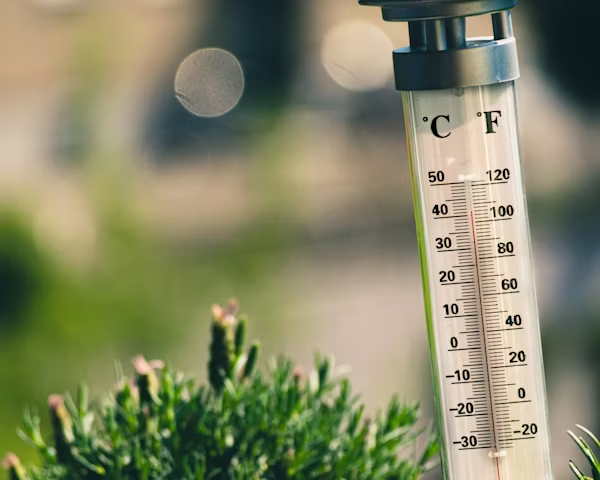
As a counsellor, I often invite clients to imagine their emotional state as a thermometer. At the bottom, we’re cool and calm. As stressors build, the temperature rises—sometimes gradually, sometimes rapidly. Recognising when you become heightened is a vital skill in emotional self-regulation.
Recognising When You Become Heightened means tuning into your physical, mental, and emotional cues. Physically, you might notice a racing heart, clenched jaw, shallow breathing, or restlessness. Mentally, thoughts may become scattered, rigid, or overly focused on perceived threats. Emotionally, you might feel irritable, overwhelmed, anxious, or tearful.
This awareness is not about judgement—it’s about noticing. Like watching the mercury rise, you begin to understand your own thresholds. Some people hover near the top of the thermometer for days before they realise. Others spike quickly. Either way, the key is to catch it early.
Recognising When You Become Heightened allows you to respond rather than react. It’s a gentle act of self-care, and it’s accessible to everyone. It might take time to find a way that works for you, but it’s worth going on that journey.
Easy Ways to Self-Regulate Across Body, Mind, and Emotions
Here are a few simple strategies to help bring your temperature down:
• Body: Move your body – walk, do some shoulder lifts, or stretch your arms overhead and shake out tension.
• Mind: Name five things you can see, four you can touch, three you can hear, two you can smell, and one you can taste. This grounds you in the present.
• Emotion: Speak kindly to yourself. Say, “I’m feeling heightened, and that’s okay. I can take a moment to settle.”
Whether you’re 16 or 60, these tools are yours to use. The thermometer metaphor reminds us that emotions are dynamic—not fixed. With practice, you’ll learn to notice the rise and gently guide yourself back to calm.
