
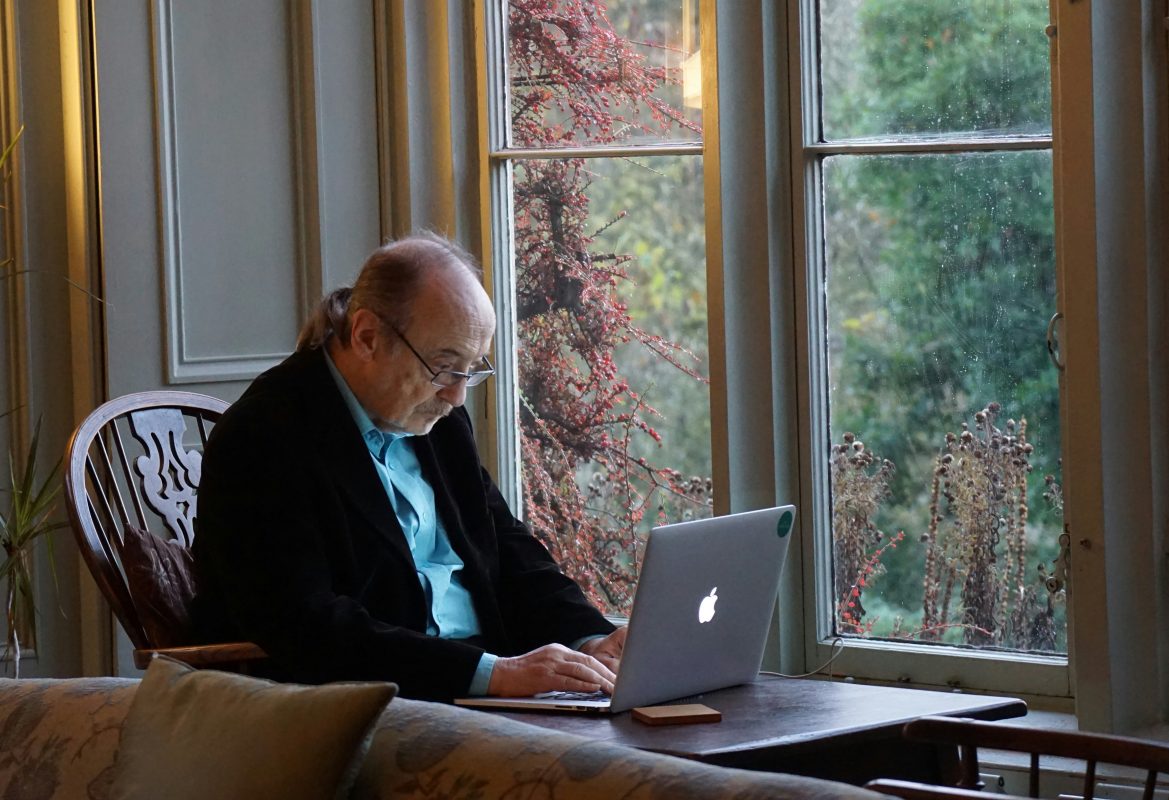
1.2 million over 65 year olds in Australia live alone (ABS 2021). A large percentage are lonely, which puts them at increased risk of low mood. This age group often also experiences loss of a partner and may live far away from family. Decreased mobility or a loss of confidence in their ability to navigate the world by themselves can contribute to isolation. Although having the television on can make these older people living alone think they have company, it is a poor substitute to real life interaction with other people. No longer working, running a household or having people who depend upon them can cause a loss of purpose.
To beat isolation and a lack of confidence, here are some ideas which will also lift mood and ease loneliness:
Exercise (1)
A walker means an older person can walk faster and in a safer manner. A fall can result in loss of confidence. Using a mobility aid is not a sign that they have one foot in the grave – quite the opposite: it’s a sign that they want to keep on enjoying life, and will do what it takes to live life on their terms.
Hydro therapy can be a fun, effective way to get exercise in a group. The water supports body weight and makes it easier to move while also providing some resistance. A group specifically for older people is tailor made for the needs of the participants.
Dancing, stretching, keep fit classes and lawn bowls – whatever captures the interest of the older person will be fun and increase their motivation to continue moving.
Socialise (2)
Mixing with other people provides an opportunity to chat, to learn, to listen and to have some fun. Finding a social group as people become very elderly can be challenging. Not everyone has family in close proximity to provide a listening ear and some external input. As friends become unwell or unable to travel, spending time with others might take some creativity.
Facetime is one option, for those who are adept with technology. A local seniors’ centre or council might provide transport and activities. For those with an interest in spirituality, their local faith community can be a source of support and friendship. Any group that meets around a common interest can offer an opportunity to be with other people in a pleasant social setting.
Stay mentally agile (3)
Puzzles, crosswords, Sudoku, quizzes and find-a-words all stimulate the brain and help with memory. Being able to remember how to do things is as important the ability to process new information.
Remaining positive into old age is not just a decision, it’s the result of the environment in which people live. Overcoming low mood requires deliberately connecting with other people, staying active and using the brain. For older people living alone, these activities are a form of self-care, and they should be encouraged to develop them into a daily practice.
(1) https://www.ncoa.org/article/the-life-changing-benefits-of-exercise-after-60
(2) https://www.health.harvard.edu/mind-and-mood/broader-social-interaction-keeps-older-adults-more-active
(3) https://www.estiahealth.com.au/blogs/activities/benefits-of-puzzles-and–brain-games/

Great wisdom shared here Fleur. 👏
Thanks Ali. Appreciate your comment. 🙂