
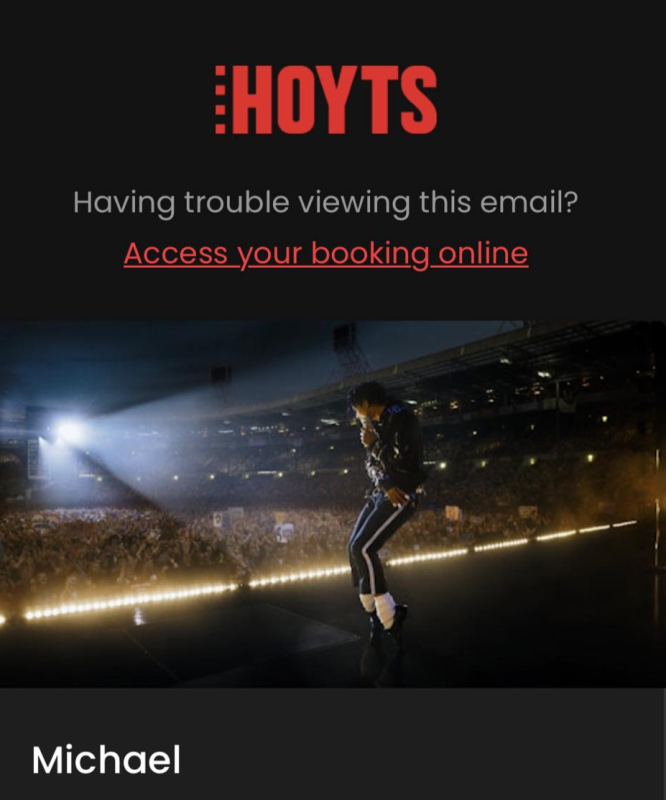
The release of the new Michael biopic has stirred up all sorts of conversations about fame, legacy, and the cost of being in the public eye. It also invites a deeper question: what happens when we stop seeing people as people? When we turn them into commodities, symbols, or sources of entertainment rather than human beings with inner worlds as fragile and complex as our own.
We’ve done this before. Elvis was adored, but he was also consumed. Judy Garland was celebrated, but she was also pushed, polished, packaged, and sold. Their talent became a product. Their pain became a footnote. Their humanity was often the last thing anyone protected.
It’s easy to point to celebrity culture and shake our heads. But the uncomfortable truth is that the same pattern can creep quietly into our personal lives. When we treat someone as valuable only because of what they provide—income, stability, childcare, status, emotional labour—we fall into the same trap. We stop seeing the person and start seeing the role. We stop honouring their humanity and start measuring their usefulness.
That is not love. It’s not even awareness. It’s a form of usury, a transactional way of relating that shrinks the soul of both giver and receiver.
A strong intimate relationship does the opposite. It holds each partner in high esteem. It sees the person before the function. Your partner is a person first. It values who they are, not only what they do. It recognises that every human being—famous or not—carries hopes, fears, dreams, disappointments, and a longing to be known without being used.
The stories of Michael, Elvis, and Judy remind us that fame doesn’t erase humanity. It magnifies the consequences of forgetting it. When we treat people as public property, we dehumanise them. When we treat our partners, friends, or colleagues as instruments for our comfort or success, we dehumanise them too.
The invitation, then, is simple but profound: look again. Look at the people in your life with curiosity rather than expectation. Notice who they are when they’re not performing a role. Honour their inner world as carefully as you hope they will honour yours.
Remember, your partner is a person first. A way to convey this is to thank them for specific ways they contribute to your relationship. My husband doesn’t make a coffee with the espresso machine until after I’m awake. Why? because it’s noisy and will wake me up if he doesn’t wait. It’s a very small thing, but I truly appreciate it, so I thank him for being considerate. Your partner has dreams and hopes, feelings and pain. Acknowledge these as real and important. Perhaps your partner is thoughtful, protective, takes care of the kids on Sunday mornings to give you a break, is committed to growing as a person or is quick to repair your relationship after a disagreement. Notice these things and highlight them.
Because every time we choose to see a person rather than a product, we lift the level of our own humanity. And that is the kind of awareness the world needs more of.
