
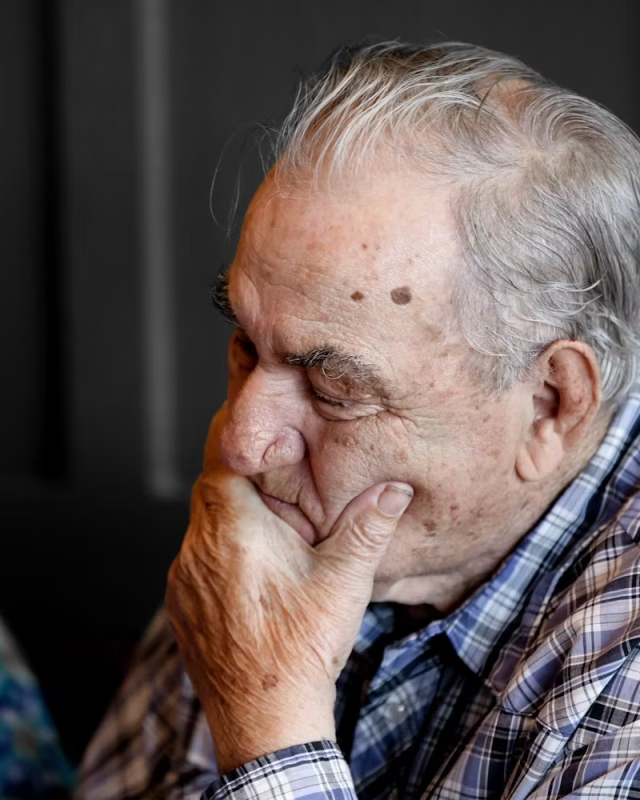
Grief and older men are a concerning combination. Men who lose their wives later in life are at real risk of experiencing ongoing and complicated grief. Oftentimes, these men have lived lives that centred on their work, or their wife. They have very few friends of their own, and without a wife to manage their social calendar, they may find themselves isolated and lonely.
A recent grief will often raise feelings from a loss earlier in life. This means that older men are revisiting previous bereavements while also dealing with the loss of their spouse. The difference is that these other griefs were faced with their wife. Having a supportive partner can greatly alleviate grief. Children and friends can offer help and a listening ear, but they can not take the place of a wife. The irony is that the person an older man needs to support them through the loss of their wife, is their wife.
Before a death occurs is the best time to be discussing these matters. Men may like to talk about who they would call on if their partner dies. Identifying support networks, social circles and family/friends can reveal that the husband may not have many of his own. Men need friends as much as women do. Proactively forming and maintaining friendships into old age is a beneficial strategy for anyone, but especially for men who are at greater risk of social isolation.
Activities which provide social and emotion engagement such as attending church, a mens shed, a community service group or a common interest group are good options for men who are looking for an outlet outside of the home. Sporting Memories is a group to consider. A group initially formed to help stave off dementia, the discussion centres on sport; trivia, sporting experiences and sharing memories about various sports. Finding out what is available in your area may involve calling the local council or aged care facility.
Grief and older men may be a concern for the families of the bereaved. However, taking steps before a loss occurs can safeguard men from the dangers of social isolation and loneliness.
