
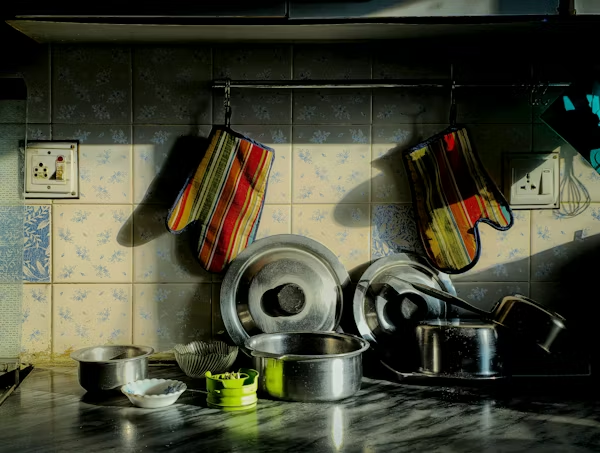
In couples counselling, I often joke that I could run an entire session on the dishwasher alone. Who loads it, who empties it, and what a pile of dirty plates represents emotionally. It’s not about the dishes. It’s about the story underneath: exhausted women carrying the invisible load and men who genuinely believe that washing up means they’re contributing meaningfully to the household.
Many men arrive in the therapy room confused. They’re doing the dishes, taking out the bins, maybe even folding the laundry. Yet their partner is still upset. What they don’t realise is that these tasks are symbols. A sink full of plates can represent loneliness, resentment, or the sense of being unseen. It’s not about the dishes. It’s about the deeper pattern of passivity meeting depletion.
A theme that emerges again and again is fear. Many men are frightened of upsetting their partner. They don’t know what to do with women’s anger; it takes them by surprise every time. So they tread carefully, avoid conflict, and hope that doing a few chores will keep the peace. But peace built on avoidance is fragile.
What helps is not guessing, but asking. “What do you need from me today?” “What would help you feel supported this week?” These questions open a door. They signal presence rather than performance. And when a woman feels safe—truly safe—to express her inner world without being dismissed or criticised, something shifts. She softens. He steps forward. The relationship breathes again.
Communication becomes less about perfection and more about connection. When safety grows between them, he feels freer to make mistakes, to try, to get it wrong sometimes without fear of backlash. And she feels less alone in the daily grind.
It’s not about the dishes. It’s about learning to see each other clearly, speak honestly, and build a partnership where both people can rest, risk, and be real.
